
Let's be real: most business ideas sound exciting until you see the price tag. A restaurant? $300,000 minimum, before you've served a single plate. A retail store? Inventory, leases, staff, and a customer base that might never walk through the door. A coffee shop? You're buying a job, not building a business.
But there's a type of business that costs less than a decent car. It sits in a market growing at double-digit rates. And it has a customer base that keeps coming back because they actually want to.
That category is location-based virtual reality. And the question worth asking isn't whether it's a good opportunity. It's whether it's the right opportunity for you.
In previous articles, we've repeatedly discussed the ideal VR business owner. Today we decided to try to paint a portrait of the person for whom this venture would be the easiest to bring to life.
Why don't we claim that arenas should be opened by absolutely everyone? The thing is, for us, our partners' success is the success of the whole company. We give access to the best free-roam VR games, we teach everything we know about the VR business — but a lot also depends on the VR club owner.
That's why it matters that this business is taken on by someone it genuinely suits. Well, enough talking — let's get to the list, which came out of analyzing our partners.
Who Should Seriously Consider Opening a VR Arena?
Here's what the list of ideal candidates for a VR arena owner looks like:
1. You already own a business where people come to have fun together
This is one of the clearest fits.
If you own or operate a family entertainment centre, bowling venue, karting track, trampoline park, arcade, laser tag business, escape room, sports-entertainment venue, or indoor activity centre.
You already understand the basics of experience-led business: how to work with peak hours, weekend traffic, birthdays, online bookings, reviews, sales, and customer expectations. You know how to handle groups.
For businesses like these, VR does not need to replace what already works. It can become another reason for guests to visit, stay longer, or return with a different group.
A karting guest may want something to do before their race. A family visiting a trampoline park may be looking for an activity that older children and parents can enjoy together. An escape-room customer may be ready for another story-driven group experience.
2. You have underused space
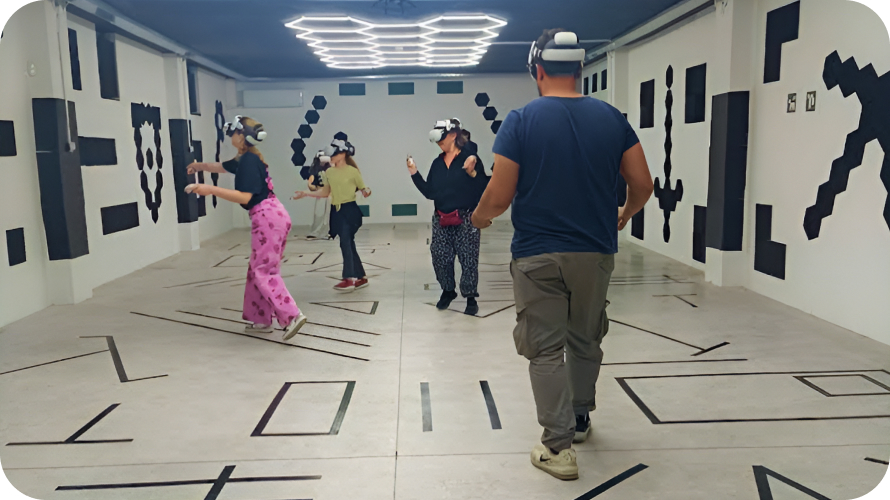
An empty room isn't always a costly problem.
If you have accessible space in a venue with parking, foot traffic, and family customers, you owe it to yourself to find out whether that location is right for a VR arena.
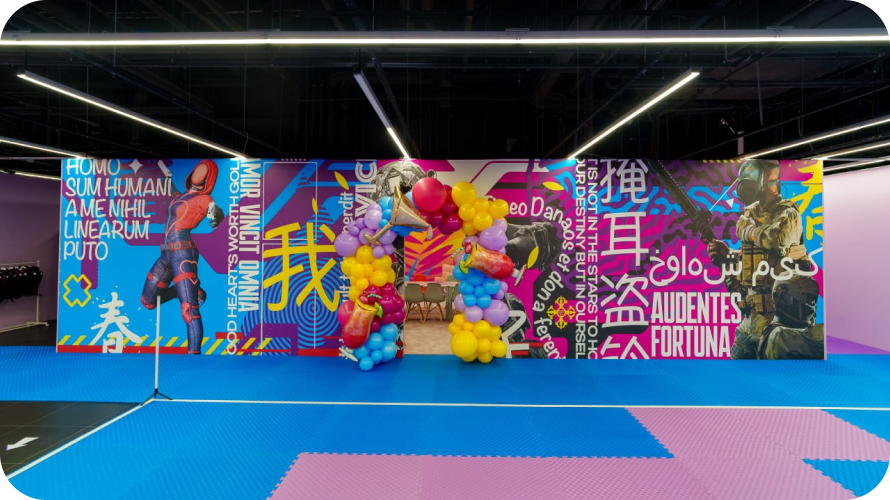
BATTLE START offers several formats, from compact Mini Arena concepts to larger VR clubs and Mobile Mixed Reality Arenas. The right choice depends on the actual space, local demand, expected groups size, and available investment.
We've already covered the space requirements here. We recommend reading this article. After that, it may well turn out that a spot that was sitting idle and generating no income could become your city's favorite destination.
And one last thing on this point. If you think this only applies to indoor spaces, it doesn't. Mobile Mixed Reality Arena is a format we created specifically for outdoor locations.
So yes, the opportunities BATTLE START opens up for you are practically endless.
3. You want to leave employment and are ready to build something real
Starting a first business can feel intimidating for one simple reason: there are too many unknowns.
Where do you find the right location? How do you plan the space? Who do you hire?
For someone leaving employment, building all of that from scratch can be the difference between an exciting new beginning and an expensive mistake.
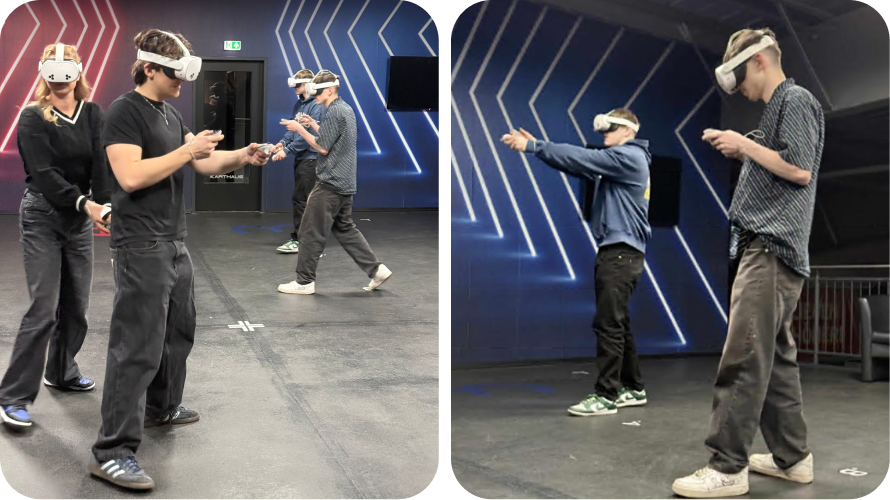
A VR arena can be a strong first business for an entrepreneur who wants a clear product, a visible customer result, and a business they can actually enjoy running.
With BATTLE START, new partners get full-scale support at every stage. That includes detailed recommendations, ready-made and repeatedly proven design materials for renovations—already tested across other arenas—technical support, a dedicated personal manager, and practical guides covering everything from finding a location and hiring staff to training your team and marketing your venue. On top of that, they gain access to the experience of nearly 500 network partners from every corner of the globe.
That does not remove the need for effort, local market research, or strong management. But it can reduce the number of avoidable mistakes that come with building a business alone.
And there is another reason this format appeals to people leaving routine office work.
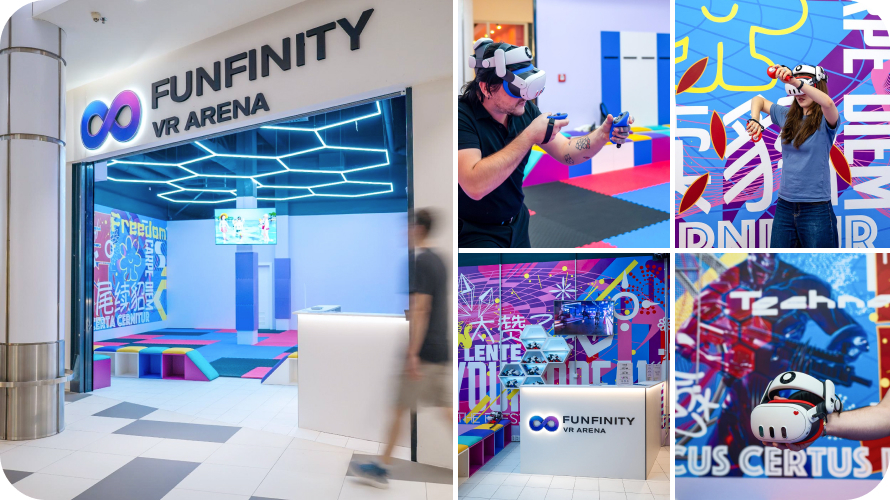
You become the person who helps families celebrate, friends reconnect, children feel like heroes, and teams share a story they will talk about afterwards.
For many people, that is not just a business. It is a better way to spend their working life. They take control of their lives and start doing something that brings both enjoyment and, of course, money.
4. You create events and your customers expect a moment nobody else can offer
Event clients are paying for the moment when guests stop checking their phones, start reacting together, and leave with a story worth retelling.
That expectation is getting harder to meet. Familiar add-ons can fill a schedule, but they rarely become the part of an event people remember most.
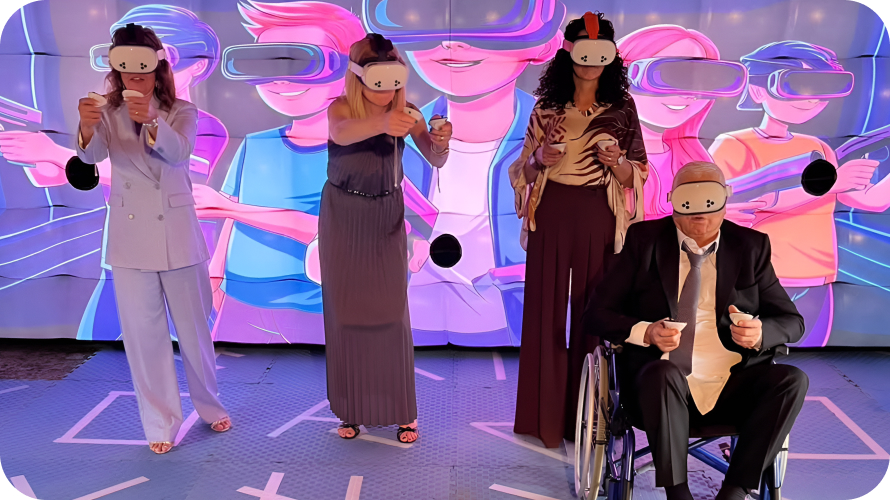
Mobile mixed reality from BATTLE START solves this problem. These outdoor arenas allow business owners to offer guests a unique attraction.
MR format is designed for suitable open, level spaces rather than a permanent venue. That can mean bringing a multiplayer VR experience to festivals, corporate events, outdoor celebrations, and private functions.
The commercial value of VR is twofold: it looks impressive, and it works across different kinds of events and age groups.
A vast, regularly updated game library is also a strong repeat-sales driver. Even if guests try something from our collection at one festival or wedding, next time they'll have the chance to choose something new. It's content that never gets old.
And last but not least, the Mobile Mixed Reality Arena can host up to 20 guests in the game at once. This way, no one is left on the sidelines. Everyone gets to enjoy it and will want to book this entertainment format for their next events.
5. You live in a tourist destination and want to make money from visitors
Tourists arrive with the same question in every city, resort, and holiday destination: “What can we do today?”
They are looking for experiences that are easy to understand, easy to book, suitable for groups, and memorable enough to justify leaving the hotel, beach, restaurant, or shopping street.
Free-roam VR can answer that question particularly well.
It does not depend on language. It is not limited to good weather. And it gives travellers something they cannot recreate with a phone, a console, or a streaming service in their hotel room.
For tourist destinations, our shorter game formats can be especially valuable. Not every guest wants to plan an entire evening around one attraction. Many want a high-energy experience they can book between lunch and dinner, after a day of sightseeing, or during an unexpected rainy afternoon.
It is a carefully positioned offer for specific visitor flows: families staying at a resort, international tourists in a city centre, guests at a ski destination, cruise passengers, or visitors looking for an activity.
In destinations where immersive entertainment is still limited, a well-run VR arena can become one of the experiences visitors actively recommend to the next group arriving in town.
6. You aim to start a business that doesn't exist in your city yet
Being first isn't automatically a win. A city still needs the right population, spending power, venue economics, and local marketing.
But being one of the first owners gives you something mature markets never can: the chance to define the category.
Think about it. Instead of fighting for attention in a crowded field, you get to introduce residents to something they've never been able to book in their own city.
Take a look at the BATTLE START map. There's still plenty of white space — cities and regions with no VR entertainment at all. That means you can be the first, take the market without competition, and own the VR entertainment space simply because you got there before anyone else.
And while other business owners watch you, see how well it works, and start thinking about it, you'll already have built a link in people's minds between your name and the best entertainment of their lives.
Many of our partners did exactly that. Today they're practically monopolists in their cities — and some are already opening branches in nearby locations, where there's just as little virtual reality, but residents still want to celebrate their big occasions on VR arenas.
Who should probably not open a VR arena?
A VR business may not be the right fit for:
People looking for passive income. A VR arena is an operating business that needs active management.
Those not ready to invest upfront. Equipment, venue, and marketing require capital before the first guest walks in.
Anyone expecting instant profit. The payback period is not immediate. The fastest payback among our partners was 4 months, but it typically takes 9 to 12 months.
Owners without a suitable venue. You need enough space, the right location, and the right conditions — a small or poorly placed space won't work.
Anyone in a city with no demand for it. From our experience, your city needs a population of at least 40,000. Or it can be smaller but with a stable tourist flow. Otherwise, even the best VR arena might not deliver the income you expect.
Those who don't enjoy working with people. This is a guest-facing business — events, birthdays, corporate parties. You deal with clients constantly.
VR is not magic. It is an entertainment business
The best business possible, in our opinion — but still.
That means the fundamentals still matter: location, staff, partnerships, and customer experience.
But when those are in place, free-roam VR can offer something increasingly rare: a business that is commercially practical while giving people a genuinely memorable reason to leave home and spend time together.
Recognize yourself in the first list? Or your profile isn't there, but you're sure the VR business is your thing?
Then book a call with a BATTLE START manager to discuss the most advantageous partnership terms for you!

